
Community
Man fatally shot in the head in Roseland, police say
By Keisha Patel
Advertisement · Why this ad?
Keisha Patel, a former athlete and graduate of the University of Chicago, has spent the last seven years covering local high school and college sports. Her passion for sports shines through her articles, encouraging community support for local teams.
More from Keisha →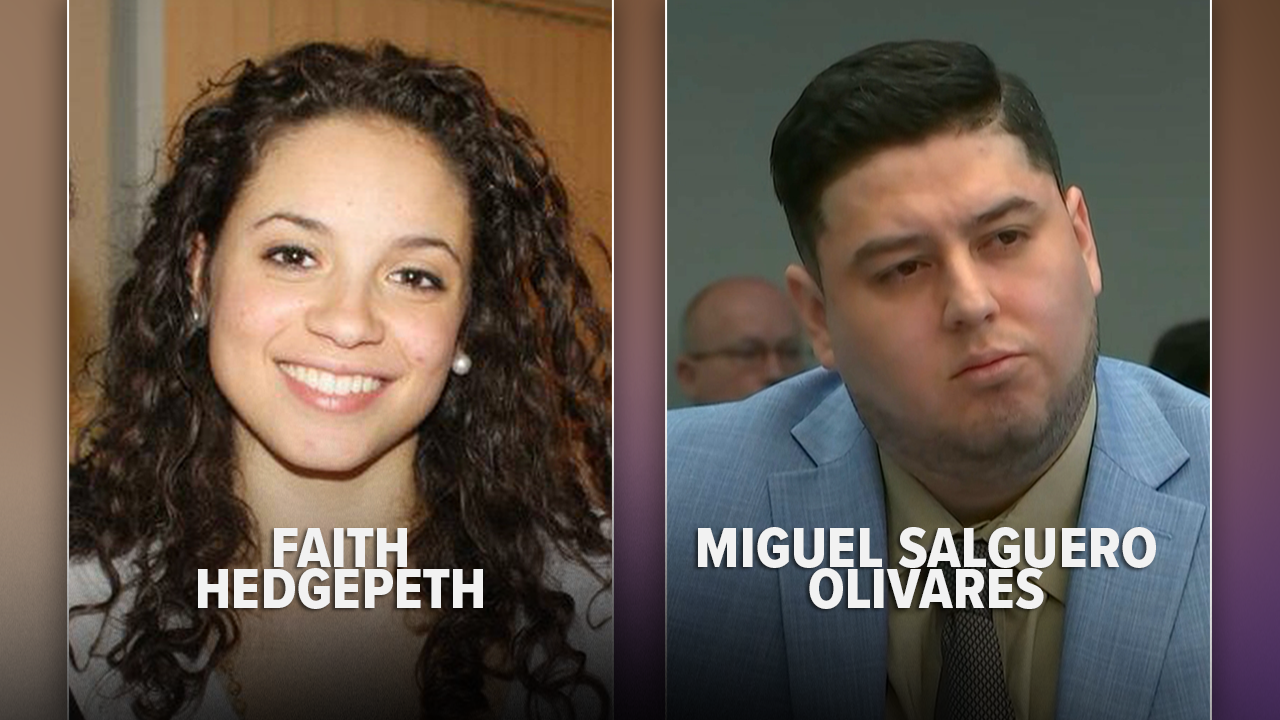
In the heart of communities far and wide, a group of ordinary citizens often finds themselves grappling with the weight of a life lost, their emotional deliberations echoing the deep impact of a story like Faith Hedgepeth's. Each vote cast in the jury room carries the burden of a community's grief and its fervent hope for justice, a testament to the profound responsibility placed upon those called to serve.
While the initial reports that captured the attention of many, including some in our own Illinois communities, suggested a local connection, it is important to clarify that the Faith Hedgepeth murder trial, a case that has resonated deeply across the nation, unfolded in North Carolina. Yet, its universal themes of justice, loss, and community healing transcend geographical boundaries, touching hearts from the Tar Heel State to the Land of Lincoln. Jurors in this significant trial characterized their deliberations as both intense and respectful, a description that offers a rare glimpse into the solemn duty of those tasked with determining truth.
The term 'intense' speaks volumes about the emotional and intellectual rigor demanded of these individuals. Imagine the hours spent poring over evidence, listening to testimonies that paint a picture of profound tragedy, and wrestling with conflicting narratives. This intensity is not merely about the complexity of legal arguments; it is deeply personal, as each juror grapples with the human cost of the crime and the potential impact of their decision on all involved.
Equally significant is the description of the deliberations as 'respectful.' In a world often marked by division, the ability of a diverse group of individuals to engage in such a high-stakes process with civility and mutual regard is a powerful affirmation of our judicial system. It underscores the commitment to a fair process, where every voice is heard, and every perspective considered, even amidst profound disagreement.
Jurors, often plucked from their daily lives, shared personal reflections on how this case affected them emotionally, revealing their human side amidst the stringent legal proceedings. Many spoke about the immense importance of their duty, feeling a deep, unspoken connection to Faith's family and the broader community's longing for closure. This shared sense of purpose, to honor a life and seek accountability, often binds jurors together in an extraordinary way.
The journey through doubt and deliberation reflects not only the individual struggles of the jurors but also a community's collective effort to find peace amidst tragedy. It is a stark reminder that justice is not an abstract concept but a deeply human endeavor, shaped by the conscience and courage of ordinary citizens. The outcome of such a trial, regardless of the specific verdict, carries immense significance for families seeking reassurance that their loved ones' stories will be heard and honored within the framework of the law.
The Faith Hedgepeth murder trial resonates deeply within the communities it touched, representing not just a quest for justice but also a collective healing process. When a life is tragically cut short, especially that of a young person, the ripple effects are felt far and wide. Families, friends, and neighbors are left grappling with grief, questions, and a profound sense of injustice. In such times, the judicial process, though imperfect, serves as a vital avenue for accountability and, ultimately, for beginning the long road to recovery.
Our society places immense trust in the jury system, believing that a group of peers, guided by evidence and law, can arrive at a just conclusion. This trust is foundational to our legal framework, ensuring that justice is administered by the people, for the people. The integrity of this process relies heavily on the dedication and ethical conduct of each juror, who must set aside personal biases and focus solely on the facts presented.
The emotional arc of such a trial, from the initial shock of the crime to the final verdict, mirrors the community's own struggle to find peace. For many, particularly those who uphold traditional family values and authentic faith, the tragedy of a life lost underscores the preciousness of every individual and the importance of strong, supportive households. The societal costs of violence are immeasurable, not just in economic terms but in the erosion of trust and the fracturing of community bonds.
When jurors describe their deliberations as 'intense,' it speaks to the moral weight they carry. They are not merely deciding facts; they are confronting the very fabric of human behavior, the capacity for both good and evil. This intensity is often compounded by the desire to provide closure for grieving families, understanding that their decision will forever impact the lives of many. The commitment to a fair and thorough process is paramount, ensuring that every piece of evidence is meticulously examined and every argument thoughtfully considered.
The 'respectful' nature of the deliberations highlights the essential democratic ideal of civil discourse, even under extreme pressure. It is a testament to the human capacity for empathy and understanding, allowing individuals with differing viewpoints to collaborate towards a common, just outcome. This respect extends not only to fellow jurors but also to the legal process itself, recognizing its vital role in maintaining order and upholding the rights of all citizens. North Carolina's judicial system, like those across the nation, relies on this fundamental principle of fairness and respect.
For Faith Hedgepeth's family, and for countless others who have experienced similar tragedies, the trial represents a critical step in their journey toward healing. While no verdict can ever fully restore what has been lost, it can provide a measure of accountability and a sense that justice has been served. This pursuit of justice is a cornerstone of our society, ensuring that those who commit heinous acts are held responsible for their actions.
The role of victim support services cannot be overstated in these difficult times. Organizations dedicated to assisting victims and their families provide crucial emotional, practical, and legal support throughout the arduous trial process and beyond. These services help families navigate the complex legal landscape and cope with the profound grief and trauma that often accompany such events. The North Carolina Department of Justice, for instance, offers various programs aimed at supporting victims of crime.
Beyond the courtroom, the community's response to such trials often involves a collective reflection on safety, prevention, and the values that bind us together. It can spur initiatives to strengthen community bonds, support at-risk youth, and promote a culture of respect and non-violence. These efforts are vital in creating environments where families can thrive and individuals feel secure. The North Carolina State Bar also plays a role in upholding justice and educating the public about legal processes.
The jurors' experience, as described, offers a poignant reminder of the personal sacrifice involved in upholding justice. They dedicate weeks or even months of their lives, often at great personal and professional cost, to fulfill this civic duty. Their commitment is a powerful example of engaged citizenship and a testament to the strength of our democratic institutions. The American Bar Association provides extensive resources on the importance of jury service.
In Illinois, as in North Carolina, the pursuit of justice is a shared endeavor. While the specifics of the Faith Hedgepeth trial unfolded elsewhere, its impact resonates with anyone who believes in the sanctity of life and the rule of law. It underscores the universal truth that every life matters, and every community deserves peace and security. The Illinois Justice Project works to ensure a fair and effective justice system for all residents.
As the legal proceedings conclude and communities begin to process the outcome, the focus often shifts to remembrance and resilience. Honoring Faith Hedgepeth's memory means not only seeking justice for her but also reaffirming the values that strengthen our families and communities. This includes fostering environments where children can grow up safe, loved, and supported, and where the bonds of marriage and family are cherished as foundational pillars of society.
The lessons learned from trials like this extend beyond the courtroom. They remind us of the fragility of life and the enduring power of human connection. They highlight the importance of faith, not just as a source of personal comfort, but as a unifying force that can bring people together in times of adversity. The National Organization for Victim Assistance (NOVA) emphasizes the importance of community support for those affected by crime.
For those interested in understanding the legal process more deeply, resources are readily available. Universities, such as the University of North Carolina, often host legal clinics and public education initiatives that shed light on the complexities of the justice system. Understanding these processes helps citizens appreciate the dedication required from all participants, from law enforcement to prosecutors, defense attorneys, and, crucially, the jury.
The resolution of a high-profile case, even one geographically distant, often prompts introspection within our own communities. It encourages us to consider how we can better support our neighbors, protect the vulnerable, and ensure that our justice system remains robust and equitable. This ongoing commitment to justice and community well-being is a hallmark of a thriving society. The Federal Bureau of Investigation (FBI) provides resources on crime prevention and victim services at a national level.
Ultimately, the story of the Faith Hedgepeth trial, and the jurors who dedicated themselves to its resolution, serves as a powerful narrative about the human spirit. It speaks to our collective capacity for empathy, our unwavering pursuit of truth, and our deep-seated desire for a just world. As the jurors exited the courtroom, their faces told a story of resolve and empathy, leaving behind a promise to honor Faith's memory with their decision, a promise echoed by communities everywhere that seek to uphold the sanctity of life and the enduring strength of family. Legal Aid of North Carolina offers assistance to those navigating the legal system, ensuring access to justice for all.
The impact of such trials extends far beyond the immediate legal outcome, shaping public discourse and reinforcing the societal values we hold dear. It reminds us that justice is a continuous journey, requiring vigilance, compassion, and a steadfast commitment from every member of the community. In honoring the memory of Faith Hedgepeth, we also honor the tireless efforts of those who strive to ensure that justice, though sometimes slow, ultimately prevails. The Office of Justice Programs, a component of the U.S. Department of Justice, provides leadership and resources for the nation's criminal and juvenile justice systems.
By Keisha Patel

By Mark Thompson

By Keisha Patel

By Keisha Patel